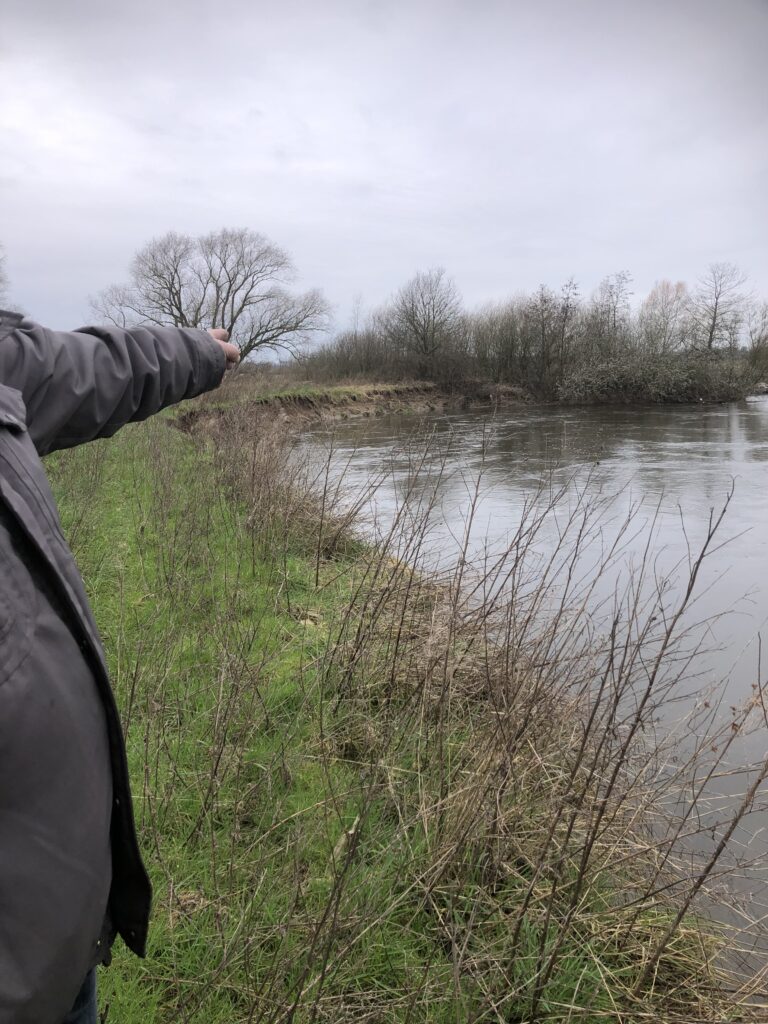
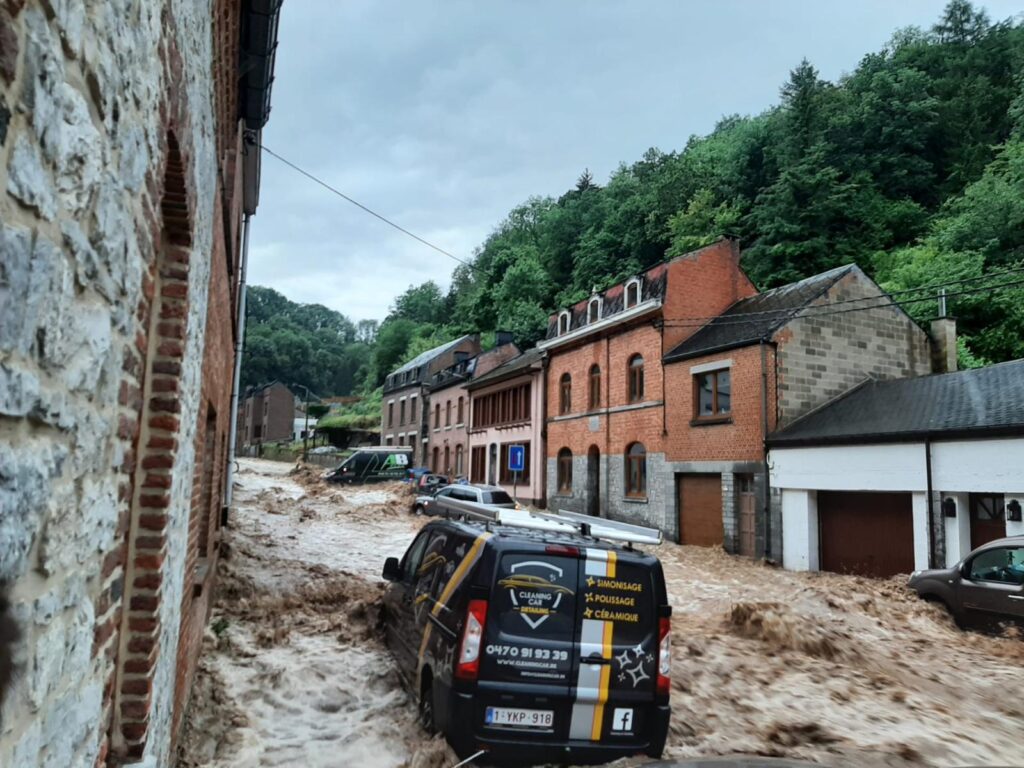
In Mud Matters! I examine how mud, as a remnant of a flood, interacts with the ecological, public, and private domain, unraveling the long-term consequences on the corporeal, material, environmental, and emotional level. I must find a way to let this matter ‘speak’. Not as easy as it sounds, because how do you work with a substance that has no human voice? This task is particularly challenging given that my research takes place years after the flood, making it sometimes difficult to locate and study mud directly.
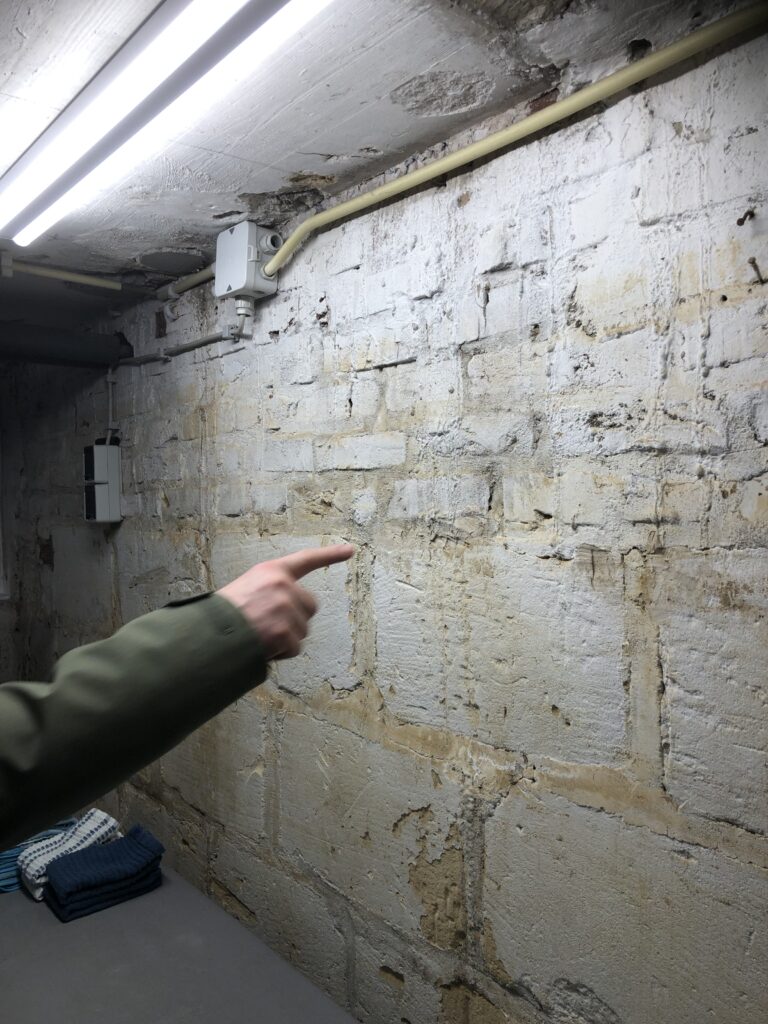
A way to let mud speak is via people affected. I visit their homes where the event happened, and we talk “through” their dwellings. Walking through people’s houses and them showing me the traces and places of the event, the so-called visible and invisible watermarks (Ullberg 2013) are pointed out. This gives a good idea of the damage that has been repaired, is still visible or that has resurfaced. I also use visual elicitation techniques where photos and films taken by people on their mobile phones during the event are used to talk about the flood. These personal materials allow people to reflect on and discuss the event in a more visceral way.
To gain insights into the way nature is affected, I conduct transect walks with biologists, ecologists and other experts. These walks aim to chart together the visible and less visible transformations that the flood, and mud more specifically, left behind, including nature’s response to these transformations.